
Agentic AI
What makes Agentic AI different to traditional and generative AI models?
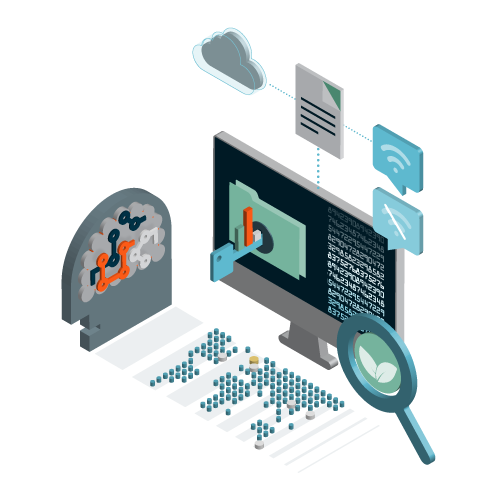
Whilst generative AI is reactive and responds to specific prompts and single-step content creation, agentic AI systems are designed to achieve goals with minimal human oversight. Agentic systems can manage multi-step workflows independently and can interact with external systems and tools to perform tasks
- What are the risks?
Gartner predicts that over 40% of Agentic AI projects will be cancelled by the end of 2027.
Many projects fail because organisations deploy agents without proper governance or safety controls, face unexpected costs from integrating with legacy systems, lack the infrastructure needed to support autonomous agents, and do not involve end‑users in the design process, resulting in agents that don’t fit real workflows.
Risks include:
- Reduced opportunity for control: Reduced oversight leads to potential for increased legal and ethical risks and for those to go unnoticed.
- Data related risks: For example, unlawful data processing, failure of minimisation, purpose limitation or retention principles, cross border transfer breaches, unintentional release of trade secrets, data breaches, or automated decision-making constraints.
- Cascade effects: Agents can compound and create cascade effects through multiple autonomous actions. Feedback loops can quickly translate a trivial issue into a systemic problem which is difficult (or impossible) to reverse.
- Tool use: Risks can be exacerbated beyond the AI model to external APIs, plug ins and software libraries.
- Regulatory lag: The law and relevant legal frameworks are just beginning to encompass artificial intelligence. Emerging legal frameworks do not distinguish (yet) between zero shot and agentic models.
- How can you increase your chances of success when deploying Agentic AI?
The launch of agentic and hyper-personalised systems which can act independently highlight the need for strong governance to help businesses avoid legal and reputational risks.
- Strategic partnerships: Using external experts increases success rates.
- Auditability by design: Implementing full governance, ensure all actions taken by agents logged.
- Start small: Start with specific low risk tasks rather than complex processes.
- Humans-in-the-loop: Human checkpoints for high stakes decisions.
- How we can help you
The fast-moving nature of AI agents requires businesses to adopt a deliberate approach to deployment, oversight, and risk management.
Our international AI team can help your business harness the power of Agentic AI systems and manage the associated risks to ensure your projects are compliant and set up for success.
 When AI systems get smarter, potential liability multiplies with the opportunities. Companies who successfully utilise AI will need effective and reliable governance measures to address these risks. Jens Schefzig - Partner, Germany
 You can’t deploy and use AI on shifting sands. If you don’t have a clear vision of what’s being used, and defined governance guardrails around it, you face a risk chain reaction. This is especially the case with agentic AI. Joanne Zaaijer - Partner, Osborne Clarke Netherlands
Our experience


As Agentic AI becomes more mainstream, it is increasingly essential to ensure robust governance and employee AI literacy to safeguard against legal and reputational risks.
In our publication, WAVE - Emerging Legal Trends in Digitalisation, we delve into the legal implications of AI and provide guidance on navigating this complex terrain.
Connect with our Agentic AI experts