Life Sciences Academy | Navigating US Bio-security Rules: Biosecure Act and Its Impact on Global Biotech/Pharma

US biosecurity policy is rapidly evolving. The proposed Biosecure Act and related regulations, are poised to reshape how biotech and pharma companies source, partner, and invest across borders. This webinar breaks down what’s changing, who is affected, and what EU/UK companies with US touchpoints should be doing now.
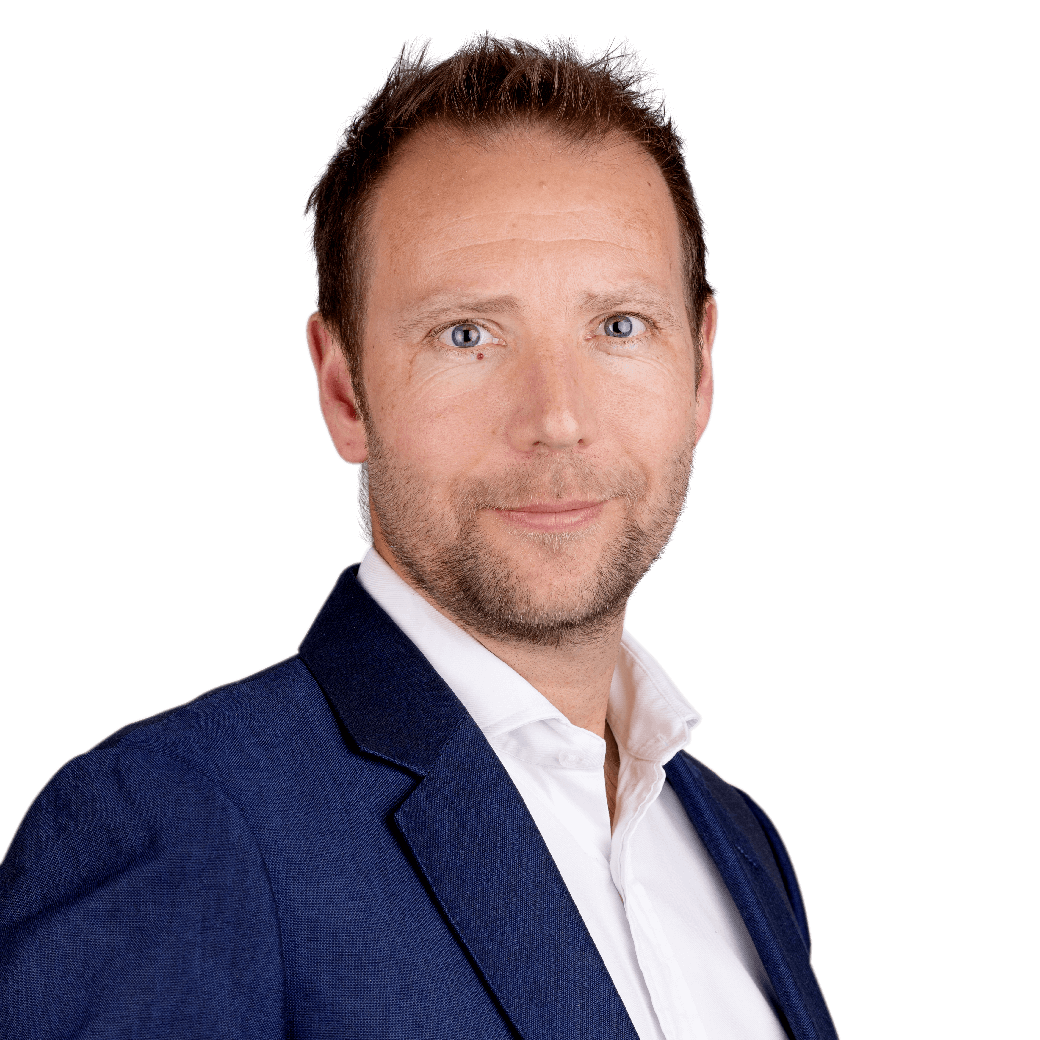
We can confirm guest speakers Christopher D.Grigg and David Crosby from Nixon Peabody will be covering:
- Expected timelines, scope, and obligations under the Biosecure Act
- How other related regulations impact supply chains, research collaborations (including university/CRO arrangements), and capital flows
- Practical steps to prepare—counterparty screening, contractual protections, JV/transaction structuring, and governance
We’ll leave time for Q&A to help you translate policy awareness into concrete action.
Christopher D. Grigg:
Chris Grigg is a former federal prosecutor who leverages over 20 years of experience to advise, guide, and defend clients ranging from individuals and small businesses to research institutions and multinational corporations. He routinely counsels clients on U.S. export controls, sanctions, and related national security matters and represents entities and individuals in government investigations, federal and state enforcement matters, and complex civil litigation. Before practicing law, Chris served as a tea m leader in the US Army’s 75th Ranger Regiment.
David Crosby:
David Crosby represents US and international companies at the intersection of law and technology. David has an engineering degree and has worked as a software and systems engineer, a manufacturing engineer, a decorated examiner in the US Patent and Tradema rk Office, and as in-house corporate counsel. He leverages his training and experience to counsel clients with respect to a broad range of technology issues. He regularly serves as principal outside IP counsel to clients, helping them to develop and manage their IP portfolios and implement related IP policies and strategies. David uses his technical knowledge as an engineer to help manufacturing, engineering, software, and life sciences companies to classify products and technology for export under both the ITAR and EAR regimes. He has significant experience working on corporate transactions providing support covering IP due diligence, IP and data licensing, government contracting, data privacy and security, and international trade compliance including expor t controls due diligence and national security reviews before the Committee on Foreign Investment in the United States (CFIUS).
Register here
Register here