Osborne Clarke for Good - UK Responsible Business Report 2026

Osborne Clarke for Good
In our latest UK Responsible Business report we share how OC for Good benefitted our people, our clients and our communities by:
- Working to reduce our impact on the environment and supporting other businesses to do the same
- Supporting our people to thrive and investing in creating a diverse and inclusive workforce
- Taking our responsibilities to society seriously and striving to make a difference across four areas of impact: access to essentials, opportunities, justice and nature
This year marks the end of our five-year strategy cycle. We look at the progress we made against our objectives in FY 25/26, the challenges we faced, and look ahead to the next chapter as we move into our 2030 strategic cycle.
A message from our Managing Partner
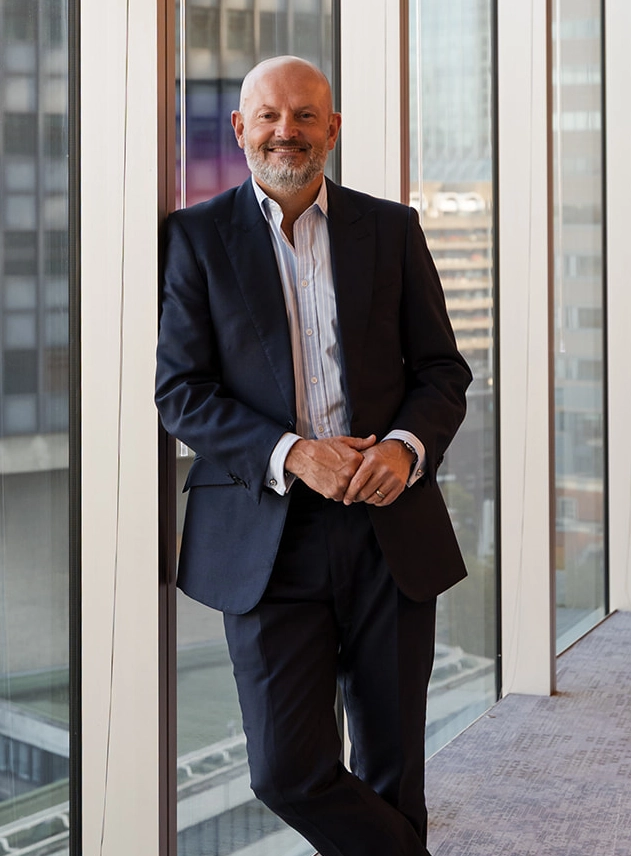
I’m pleased to share this year’s UK Responsible Business report. As we reach the end of our five-year strategy cycle, it looks back at the progress we’ve made and forward to how we’ll build on it.
We’ve continued to reduce our emissions, helped by our first firmwide business travel carbon budget, which came in 13% under target. We’ve kept investing in a workplace where our people can thrive, and I’m delighted that the Social Mobility Foundation ranked us seventh in the 2025 Social Mobility Employer Index. Our pro bono work has also given colleagues the chance to use their skills to help people in real need, including a life-changing Rule 39 case.
Looking forward, we will be focused, bold and ambitious, including in how we use AI consciously and responsibly, with strong governance and data protection safeguards behind it.
I’d like to thank our clients, colleagues, suppliers and collaborators for their commitment this year, and invite you to join us in marking all that we’ve achieved in the last strategy cycle.
Conrad Davies, Managing Partner
What went well in 2025/6

Emissions reductions ahead of target
Our total emissions fell 5% on last year and 39% since our baseline year, putting us 13% below our required Science Based Targets initiative (SBTi) trajectory.

Met our firmwide business travel carbon budget
Following a successful pilot, we rolled out a carbon budget for business travel across the whole firm and came in 13% under budget. Business travel emissions fell 29% year on year.

Climbed the ranks of the Social Mobility Employer Index
We ranked 7th in the 2025 Social Mobility Employer Index, up from 19th and our first time in the top ten, thanks to our diversity and inclusion strategy, our work to develop junior talent, The Bridge programme and work experience opportunities.
Psychological safety remained high, with stronger support for wellbeing
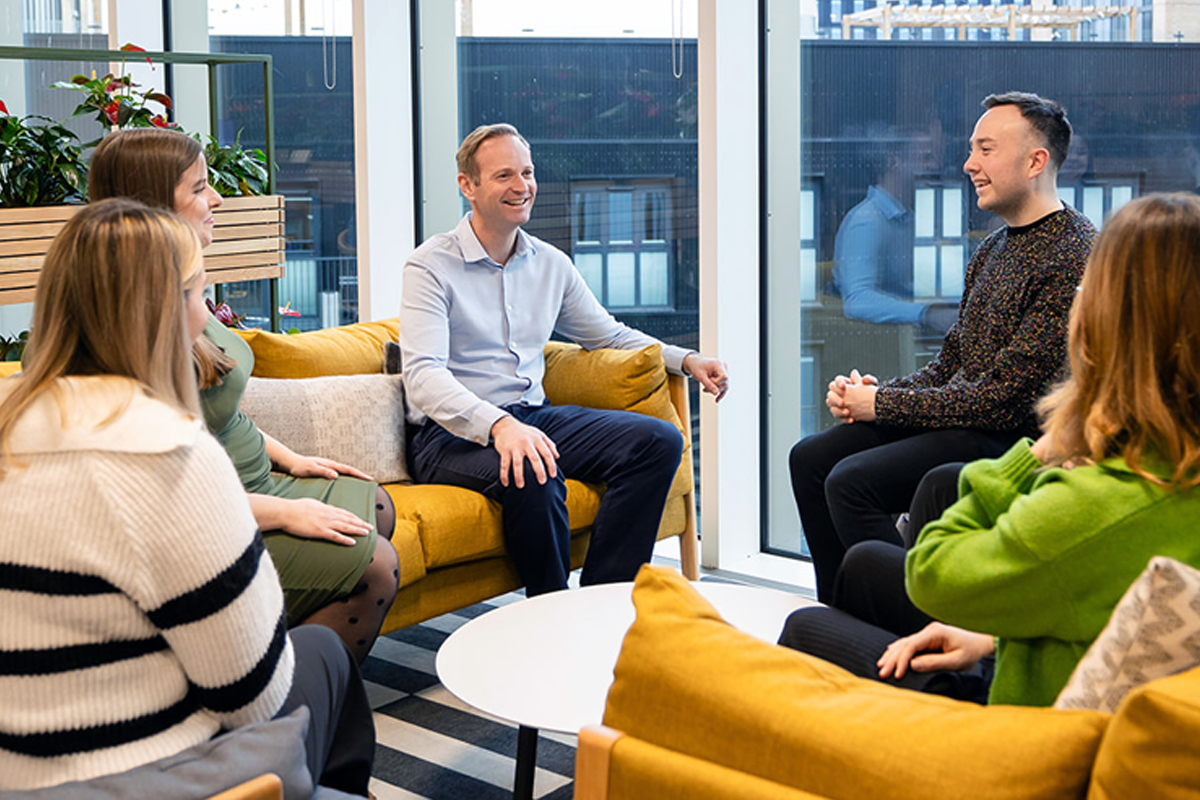
Focused work to develop managers’ skills paid off, with managers now a key driver of positive wellbeing across the firm. Departments previously identified as higher risk for wellbeing have moved out of that bracket.
Pro bono projects to be proud of
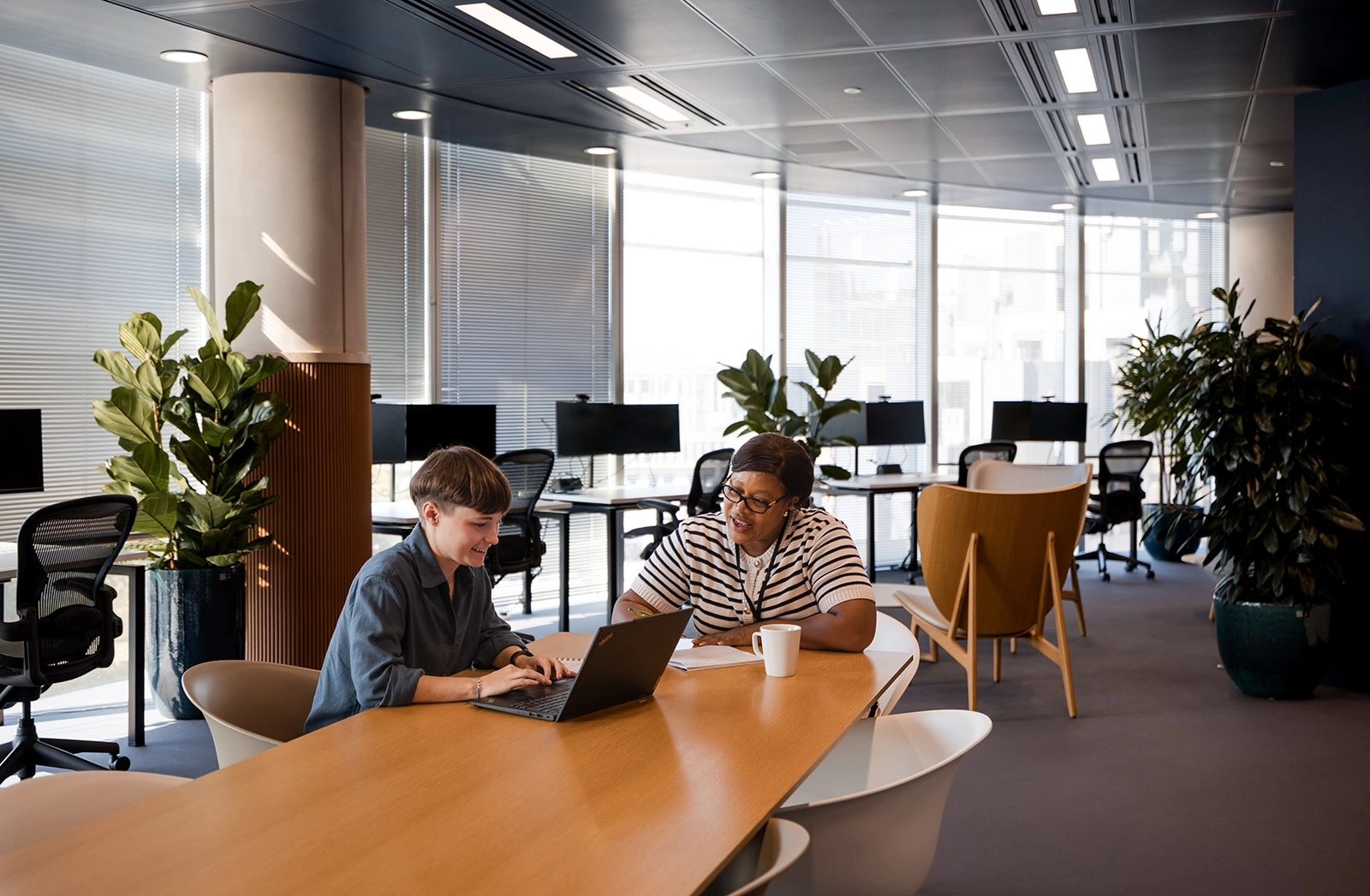
Our teams delivered 5,893 hours of pro bono work, valued at £3.8m. Projects supported organisations fighting hunger and tackling waste, promoting biodiversity, defending human rights and protecting victims of terror attacks.
The Bridge programme
We brought delivery of our flagship schools programme in-house for the first time, running 14 workshops for 500 pupils. Seven students from one partner college won apprenticeship places this year, compared with one last year.
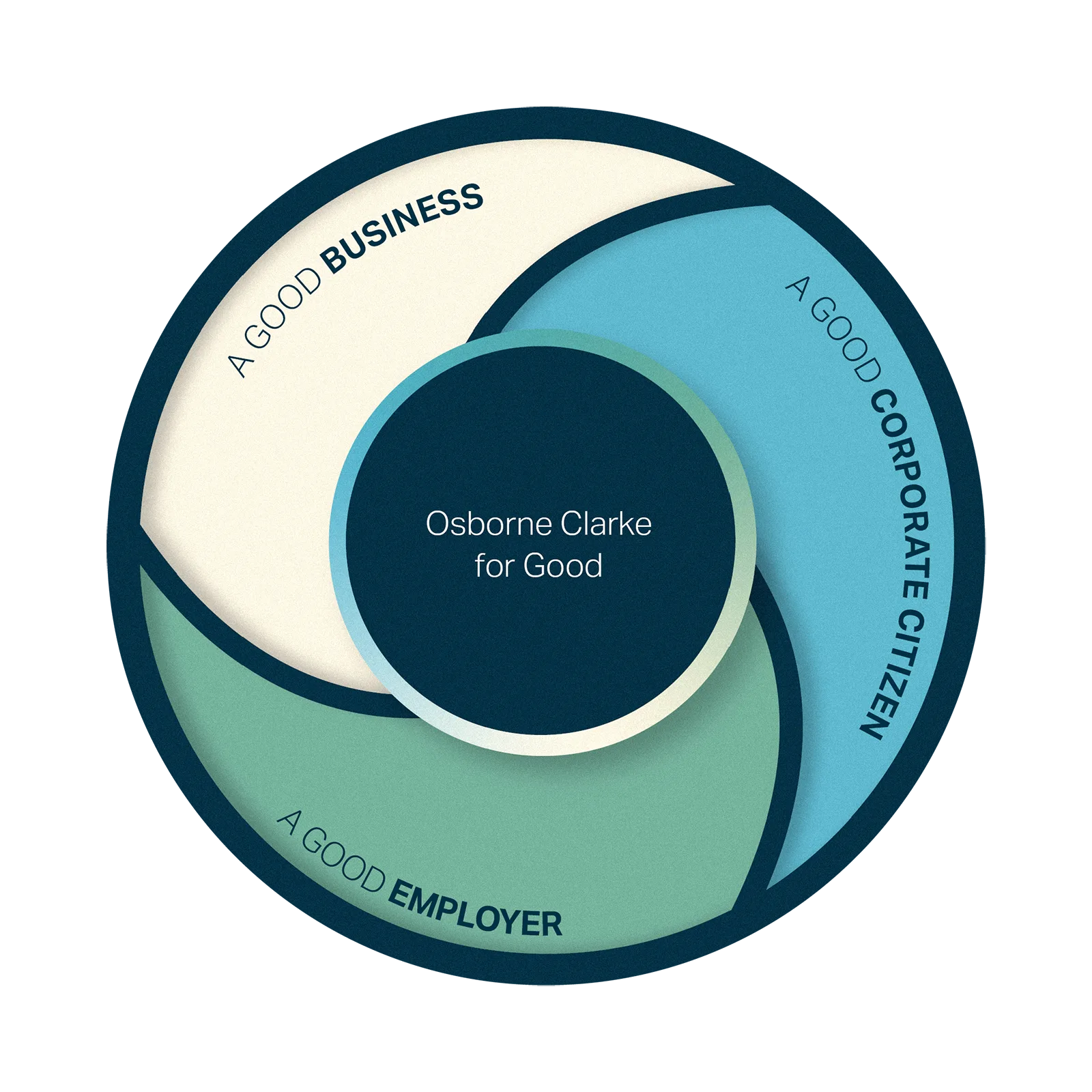
The Osborne Clarke For Good framework
A good business
We work to reduce our impact on the environment and support other businesses to do the same. Being a good business means leading by example. We act in a fair, ethical and sustainable way, in our client advice as well as in our own operations.
Investing in reducing our environmental impact is not only vital for creating a cleaner, healthier environment for our people and the communities we serve – it’s also a business imperative. It helps us better understand the challenges of decarbonisation, make sure Osborne Clarke is a resilient and future-proof business, and drive innovative solutions.
A good employer
At Osborne Clarke, we want our people to thrive in a high-performing environment. This means creating a diverse and inclusive firm and a healthy and enriching working environment which recognises the importance of wellbeing. This ambition is founded on our belief that inclusion and wellbeing are critical to delivering a business fit for the future.
A good corporate citizen
We take our responsibilities to society seriously and try to make a difference across four areas of impact: education, environment, equality and poverty. We want to use our skills, expertise and resources to make a lasting, positive impact on society, particularly in our local communities.
We do this by focusing our actions on four social impact themes: Access to Essentials, Access to Opportunities, Access to Justice and Access to Nature.
Areas that still need focus
Carbon Literacy
The number of colleagues trained in Carbon Literacy rose to 19%, but fell short of our 25% target. We will update our course and look at ways to encourage greater uptake.
Our use of AI
We will keep working with external experts to understand the environmental impact of AI, so we can use it responsibly and with strong governance.
Representation in our partnership
We exceeded our 6% minoritised ethnic target (6.7%), but didn’t quite reach our 30% target for women in the partnership (27.3%). We’re committed to increasing diversity in the partnership across all strands and breaking down the barriers facing underrepresented groups.
Work allocation
Fair, transparent and manageable work allocation is a key driver of wellbeing and an inclusive culture. Business Services colleagues have already seen improvements, but it remains a primary focus for our fee-earning departments.
 I invite you to join us in marking all that we’ve achieved in the last strategy cycle as we explore our plans for the chapter ahead. Conrad Davies - Managing Partner
 It’s pleasing to see the firm continue to increase its sustainability focus. There is a genuine willingness to invest, which is reflected in the growth of the Responsible Business team. I see this commitment as critical for both our firm and our clients. Giles Jones - Chief Finance Officer
Our commitments for FY 26/27

With our five-year strategy cycle complete, we are carrying out a double materiality assessment in 2026/27 to shape the next phase of our responsible business plan. You’ll see fewer near-term targets in this year’s report as a result, but our focus on OC for Good is unchanged: to reduce our environmental impact, help people thrive and make a positive difference.
- A good business
• Strengthen our governance structure so responsible business considerations are part of all business decisions
• Continue to reduce emissions in line with our near-term 2030 targets
• Build on the business travel carbon budget by introducing carbon pricing and allowing carbon trading between teams
• Work towards 25% of colleagues trained in Carbon Literacy by April 2027
• Prepare for our transition to SBTi Corporate Net Zero Standard version 2.0
• Continue to focus on energy transition clients and increase our ESG advisory work- A good employer
• Keep running embedded initiatives, including our Circl and Reverse Mentoring programmes
• Deliver our next wellbeing strategy, continuing the work to date
• Use the double materiality assessment to help prioritise future diversity and inclusion work- A good corporate citizen
• Deepen the reach and impact of our pro bono and volunteering activity
• Focus pro bono work on matters that deliver measurable, long-term benefits to individuals and communities
• Develop more high-impact, skills-based volunteering opportunities
• Distribute £300,000 from the OC Charitable Trust to causes aligned with our social impact themes in the next year.
Our UK Executive Board